



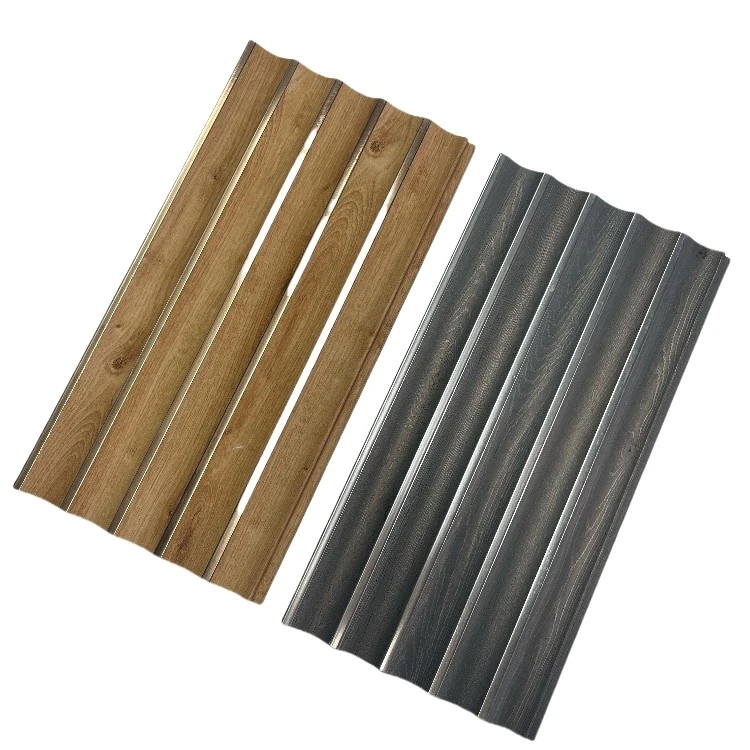
PS Wall Panel is commonly known as "organic board", the chemical name is Polystyrene (polystyrene), is a thermoplastic amorphous resin, colorless, odorless, tasteless and shiny, light and cheap, low water absorption, coloring Good, stable chemical properties, excellent electrical insulation, especially high-frequency insulation, has a certain impact resistance, weather resistance and aging resistance, good light transmittance, can withstand general chemical corrosion, the price is higher than plexiglass ( Acrylic) is inexpensive, and can be machined, bent, screen printed, and blistered.
Types of PS Wall Panel
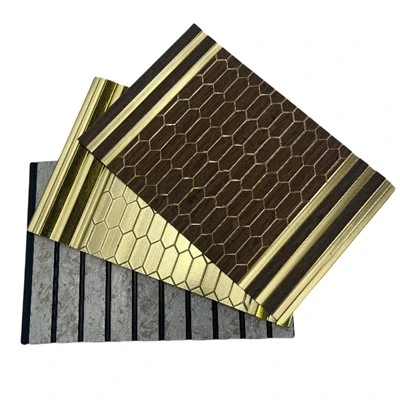
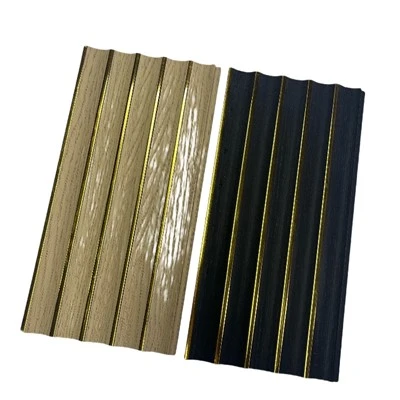
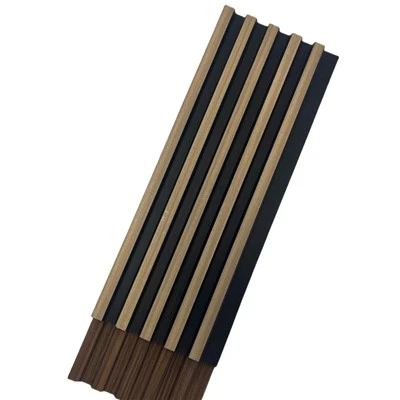
Advantages of PS Wall Panel
Heat insulation
Composite wall panels can be used as the building material with the heat insulation effect. Which is also a type of energy-saving decorative building material. The unique heat insulation feature can create a cool room temperature for you to live.
Sound absorption
Common sound issues are caused mostly by sound waves reflecting off walls. The acoustical panel can absorb the noise in the room with its unique physical characteristic. Therefore, you don't worry about the noise issue if you decorate your room with the composite wall panel with the sound absorption function.
Fire proof
The composite wall panel is a reliable option to protect your life to be safe around, with its amazing fireproof structure. Composite wall panels can provide a complete solution for the fire resistance interiors. Every piece of the wall panel is designed to protect your room away from fire.
High strength
The PS wall panel is made of a mixture of wood powder, recycled composite plastic, chemical additives, and calcium powder. Especially, the calcium powder can improve the strength of the wall panel. So the wall panel can use on many occasions.
Water-proof & moisture-proof
Composite wall panels are also the perfect solution to protect the wall away from moisture harm. Which is the ideal building material with moisture resistance. It is important for you to protect your house not to be humid and moldy.
Environmental-friendly
The composite wall panel is made of the environmental raw material, the house installed won't have the chemical odor. You don't need to paint the wall panel with oil to avoid pollution. So, you will save so much time without the painting process during the installation.
Easy installation
Composite wall panels can be installed quickly, without any complicated installation stePS. You can do DIY while installing, the wall panel can be cut into the size you want to decorate the wall to be perfect. You don't need to hire a labor-saving time and money at the same time.
Modern styles
Above all, the composite wall panel has various colors, shapes, patterns, you can choose the style matching your room. A well-designed wall panel can decorate your wall with the high valued aesthetics. You can assembly the wall panel following your own ideas.
Why Choose Us
One-stop solution
We can offer a range of services, from consultation and advice to product design and delivery. It is a convenience for the customers, as they can get all the help they need in one place.
Professional team
We have also built a strong team of professionals with extensive experience as experts in products, marketing and services.
High quality
Our products are manufactured or executed to very high standards, using the finest materials and manufacturing processes.
Our services
We are confident that our customer can grow rapidly with our expert service. We will improve and grow together.
EPS wallboard
EPS wallboard, also known as rock wool board or polystyrene insulation board, has the characteristics of fire prevention, heat preservation, sound insulation, etc., good containerization, easy construction, light weight, not easily affected by moisture and corrosion, and is usually used for factory walls, ceilings, roof insulation, etc.
Vitrified steel composite board
The vitrified steel composite board is made of glass fiber reinforced resin as the core material, and then composited with steel plate or aluminum plate as the panel. It has beautiful appearance, rich colors, high strength, good weather resistance, and good anti-corrosion performance. It is usually used for factory exterior walls, interior walls, ceilings, etc.
Color steel sandwich board
The color steel sandwich board is made of colored steel plate as the surface layer, and sandwiched with polystyrene, rock wool, glass fiber, polyurethane and other materials. It has good insulation, sound insulation, fire prevention, corrosion resistance and other characteristics, and is usually used for factory walls, roofs and partitions.
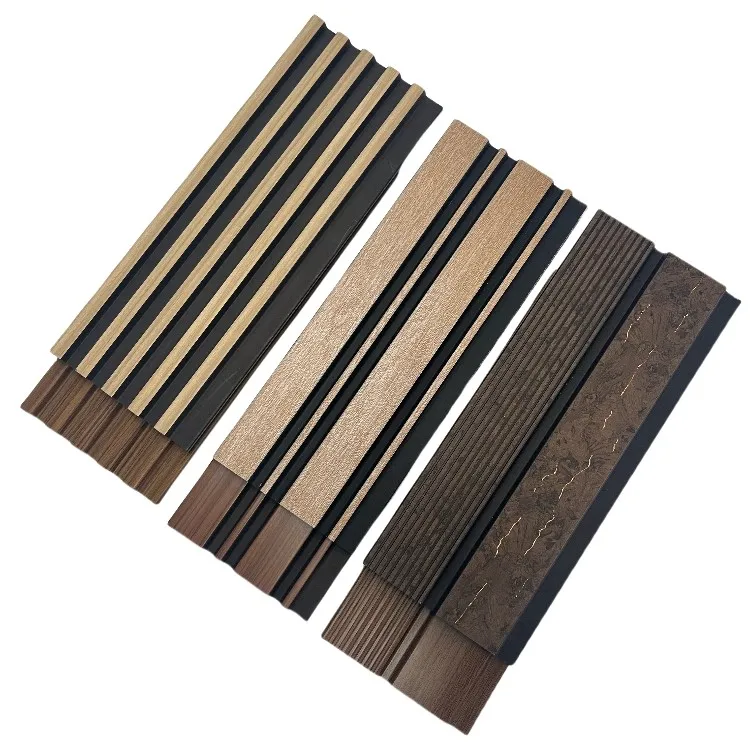
Application of PS Wall Panel


Construction of walls and partitions in buildings
PS wall panel refers to a type of building material that is used for the construction of walls and partitions in buildings. It is made from expanded polystyrene (EPS) with a reinforced concrete layer on both sides, forming a sandwich panel. PS wall panels are lightweight, easy to handle, and can be easily cut to size on site. They are suitable for both interior and exterior walls and partitions, and can be used in a wide range of applications, including residential, commercial, and industrial buildings.
Partitioning of rooms in offices
PS wall panels are an excellent choice for partitioning rooms in offices. They offer a high degree of flexibility, functionality, and style, while also providing improved acoustics and privacy for employees.
Installation of temporary walls for events and exhibitions
PS wall panel provides easily installable temporary wall panels for events and exhibitions of all sizes. Our panels are made of sturdy materials that can withstand the rigors of events and exhibitions, and can be customized with branding or graphics to fit the unique needs of your event.
Construction of home interiors such as false ceilings and wall panels
One of the main uses of PS wall panels is in the construction of false ceilings. False ceilings are a popular choice for modern homes as they provide an additional layer of insulation, improve the acoustics of the room, and enhance the visual appeal of the interiors. PS wall panels can be easily installed on the false ceiling, providing a seamless and uniform look.
Wall cladding for both interior and exterior walls
PS wall panel is a type of wall cladding that can be used for both interior and exterior walls. It is made of polystyrene foam (EPS) that is lightweight and durable, making it an ideal choice for various construction applications.
Renovation or remodeling of existing buildings
PS wall panels can be a great option for the renovation or remodeling of existing buildings. They offer a cost-effective, quick, and easy solution that can enhance the aesthetics and durability of any room.
Construction of cabins and prefabricated structures
PS wall panels and prefabricated construction methods offer several advantages, including reduced construction time, lower labor costs, and increased energy efficiency. They are commonly used in residential and commercial construction as an insulation material for exterior walls, roofs, and floors. PS wall panels are lightweight, easy to install, and provide excellent thermal and sound insulation.
Use in hospitals and healthcare facilities for hygiene reasons
PS wall panels are commonly used in hospitals and healthcare facilities for their hygienic properties. They are available in a variety of colours and textures, allowing hospitals to create a welcoming and professional environment for patients and staff.
Material of PS Wall Panel
Wood
Offers a timeless look, natural warmth, and excellent sound absorption properties. However, solid wood panels may require more maintenance.
01
MDF (Medium-Density Fiberboard)
A cost-effective alternative to solid wood, MDF offers a smooth, paintable surface and good soundproofing qualities.
02
PVC (Polyvinyl Chloride)
Lightweight, water-resistant, and versatile, PVC panels are ideal for high-moisture areas like bathrooms and kitchens.
03
Engineered wood
Combines the strength and stability of wood with affordability. It's a good option for areas with moderate moisture levels.
04
Stone
Provides a luxurious look, excellent durability, and soundproofing. However, stone panels can be heavy and require professional installation.
05
Maintenance and Care To ensure the longevity and beauty of your PS wall panels, it’s essential to follow proper maintenance and care. Consider these TIPS:
Regular cleaning: Clean the panels regularly using a mild soap or detergent solution and a soft cloth or sponge.
Avoid using abrasive cleaners or harsh chemicals that may damage the panels.
Prevent damage: Take precautions to prevent any damage to the panels, such as avoiding sharp objects or excessive impact.
Address any issues promptly: If you notice any loose panels or damage, address the issue promptly to prevent further complications.
Secure loose panels with adhesive or nails, and repair any damage using appropriate methods.
Enjoy your transformed space: With proper care and maintenance, your PS wall panels will continue to enhance the aesthetic appeal of your space for years to come.
Pay Attention to The Installation of PS Wall Panels
When installing PS wall panels, we need to pay attention to the following aspects:
1. Measure the dimensions and angles of the wall. Before installing PS wall panels, we need to carefully measure the size and angle of the wall. Failure to do so will affect the fit and appearance of the siding.
2. Thoroughly clean the walls. Before installing PS wall panels, we need to clean the wall surface, and there must be no dust, oil or other debris.
3. When installing the top, bottom and corner sections, special accessories are required to ensure the stability and aesthetics of the wall panels. Failure to install these accessories will result in the wall panels being prone to slipping or damage.
4. When attaching wall panels, it is necessary to ensure that each panel fits tightly without gaPS. If gaPS are found, the wall panels will need to be readjusted or replaced.
5. When cutting, you need to use special tools such as woodworking saws or electric saws. Gloves and a mask are required when cutting wallboard to avoid touching hazardous materials and inhaling hazardous dust.
6. After installation, cleaning is required. The surface of the wall panel can be wiped with a soft, damp cloth, but do not use sharp blades or brushes to avoid scratches.
Composition and manufacturing process
PS wall panels are manufactured using a blend of wood fibers and thermoplastic materials. This composite material combines the natural aesthetics of wood with the durability and resistance of plastic. The manufacturing process involves extruding the composite material into panel forms, allowing for various textures and finishes that mimic real wood or other natural materials. The result is a product that is not only environmentally friendly due to its recycled content but also highly durable and versatile. Furthermore, PS panels are designed to withstand harsh weather conditions, making them suitable for both indoor and outdoor applications.
Advantages of PS panels
One of the most significant advantages of PS wall panels is their outstanding durability. They are resistant to rotting, warping, and splintering, which can be common issues with traditional wood panels. Additionally, PS panels offer high resistance to moisture, insects, and uv rays, making them a long-lasting solution for both interiors and exteriors. Their low maintenance requirements are another considerable benefit, as they do not need painting, staining, or sealing. The aesthetic versatility of PS panels also allows for a wide variety of design options, catering to different tastes and architectural styles.
Common uses for PS wall panels
PS wall panels are widely used in various architectural projects due to their robust properties and attractive appearance. They are ideal for residential applications such as living rooms, bedrooms, and even exterior facades. In commercial settings, PS panels can be found in hotels, restaurants, and office spaces where both aesthetics and durability are essential. Public spaces, such as schools and hospitals, also utilize PS panels for their ease of cleaning and resistance to wear and tear. Additionally, their weather-resistant properties make them suitable for outdoor applications like garden walls, patios, and balconies.
How To Install The PS Wall Panel
Preparation Before starting the installation process, it's crucial to prepare the space and gather the necessary tools and materials. Here are the stePS involved in the preparation stage:
Measure and plan: Measure the dimensions of the wall area where you intend to install the PS wall panels. Plan the layout and design, considering the placement of electrical outlets, switches, or any other fixtures that need to be accommodated. Clear the areRemove any existing wall coverings, such as wallpaper or paint. Ensure the wall surface is clean, dry, and free from dust or debris.
Acclimate the panels: Allow the PS wall panels to acclimate to the room temperature for at least 24 hours. This step helPS prevent expansion or contraction of the panels after installation.
Gather tools and materials: Gather the necessary tools and materials for the installation, including PS wall panels, adhesive or nails, measuring tape, level, cutting tools (such as a utility knife or saw), adhesive applicator or nail gun, and safety equipment.
Installation Once the preparation stage is complete, you can proceed with the installation process. Follow these stePS to install PS wall panels effectively:
Start from a corner: Begin the installation from a corner of the wall. Apply a thin layer of adhesive evenly on the back of the first panel or use nails to secure it in place. Ensure the panel is level using a spirit level.
Interlock the panels: For interlocking panel designs, slide the next panel into the groove of the previous one, aligning it vertically and horizontally. Ensure a tight and seamless fit. Use adhesive or nails to secure the panels as needed.
Cutting and trimming: When encountering obstacles like outlets or switches, measure and mark the area on the panel where the opening needs to be made. Use a cutting tool to carefully cut out the marked area. Trim the edges of the panels as necessary to fit the wall dimensions.
Repeat the process: Continue installing panels row by row, ensuring they are level and securely attached. Check periodically for any adjustments needed to maintain a seamless and even installation.
Finishing Touches After the PS wall panels are installed, it's time to add the finishing touches to achieve a polished look. Follow these stePS:
Fill gaPS and seams: Use a quality filler or caulk to fill any gaPS or seams between the panels. Smooth the filler with a putty knife and let it dry according to the manufacturer's instructions. Sand and prepare for paint or finish: If you plan to paint or apply a finish to the PS wall panels, lightly sand the surface to create a smooth and even texture. Remove any dust or debris before proceeding.
Apply paint or finish: Apply your desired paint color or finish to the PS wall panels using a brush or roller. Follow the manufacturer's instructions for proper application and drying time.
Clean and admire: Once the paint or finish is dry, clean the panels to remove any dust or residue.
FAQ
We're well-known as one of the leading ps wall panel manufacturers and suppliers in China. Please rest assured to wholesale custom made ps wall panel from our factory. For more cheap products, contact us now.
ps solid 3d wall panel, ps 3d wall panel, waterproof ps wall panel